










• This thread is just the tip of the iceberg.The people ahead of the curve aren't Googling for answers — they're already in here, having the conversations you haven't found yet. DealerRefresh is free.Get the full picture →

Supreme Court Issues Huge Decision on TCPA Text Messaging Guidelines

AI Summary

# Summary The thread discusses a Supreme Court ruling that narrows the TCPA definition of automatic dialing systems, potentially reducing litigation risk for dealership texting programs. Participants clarify that prior lawsuits involved high-volume automated systems rather than one-off manual texts, and that existing CRM platforms should fall outside TCPA restrictions as long as dealers obtain proper consent. The consensus is that dealerships have limited liability exposure for personalized, single-recipient texting, though legal ambiguity remains and attorneys may continue pursuing questionable cases.

Mar 21, 2012
1,117
1,493
Awards
10
First Name
Ryan
SUPREME-COURT.png

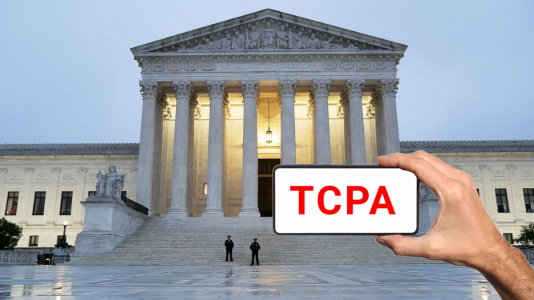
Has everyone seen the news? The Supreme Court just made a ruling on the Telephone Consumer Protection Act (TCPA) that could have a (good) impact on car dealers' ability to communicate with customers without fear of litigation!

The court narrowed the definition of an automatic telephone dialing system (ATDS) to a device that has the capacity to store a telephone number using a random or sequential number generator, or produces a telephone number using a random or sequential number generator. Dealership CRM's should remain outside of this definition.

I believe car dealers can now responsibly text customers (continue to respect consumers by asking for consent) with less of a cloud of potential litigation liability hanging over their heads. Text messaging is perhaps the most effective way to communicate with shoppers, and now this ruling makes it even easier (and less risky).

What are your thoughts?

 
Last edited:
In my research there were no prior cases involving one-off manually (human) generated text messages even before this so there should have been little fear prior (other than rogue sales people sending content that wasn't relevant to the original inquiry). IF you are using an auto generated texting solution then, yes, there were a number of parameters that needed to be in place (Opt-in, Opt-out, etc) to avoid litigation. If you read the law as it exists, there really is no separation of using a phone number for either text or phone call. The same rules applied to either and the existing cases that resulted in lawsuits all have to do with robo-dial and robo-texting. I would be interested in what @todd.smith says.
 
Indeed Dan all the lawsuits to date are focused on high volume cases which involved some form of auto-dialer. Though all of this stems from the core defining attributes of whether it is a (P2P) or (A2P) texting conversation. Though the Supreme Court ruled it was more of a punt than a true clear ruling. I think they will be back to overhaul TCPA in the near future. Until then we will live in the murky waters of opportunist attorneys who can find a path to generating revenue through suits against dealerships similar to all the ADA shake-down lawsuits going on now. For more insight read here which is put out by the telecom companies to state their position in the matter.
In October 2019, the Cellular Telecommunications Industry Association (CTIA) released an update to their Messaging Principles and Best Practices. In it, they clarified that P2P messaging must be between two consumers. People acting on behalf of businesses or organizations are not considered consumers. This, in turn, widened the definition of A2P messaging.
 

✨ AI Highlights

# Summary The thread discusses a Supreme Court ruling that narrows the TCPA definition of automatic dialing systems, potentially reducing litigation risk for dealership texting programs. Participants clarify that prior lawsuits involved high-volume automated systems rather than one-off manual texts, and that existing CRM platforms should fall outside TCPA restrictions as long as dealers obtain proper consent. The consensus is that dealerships have limited liability exposure for personalized, single-recipient texting, though legal ambiguity remains and attorneys may continue pursuing questionable cases.

Replies Views 3 3,090 Started Last Reply